Table Of Content
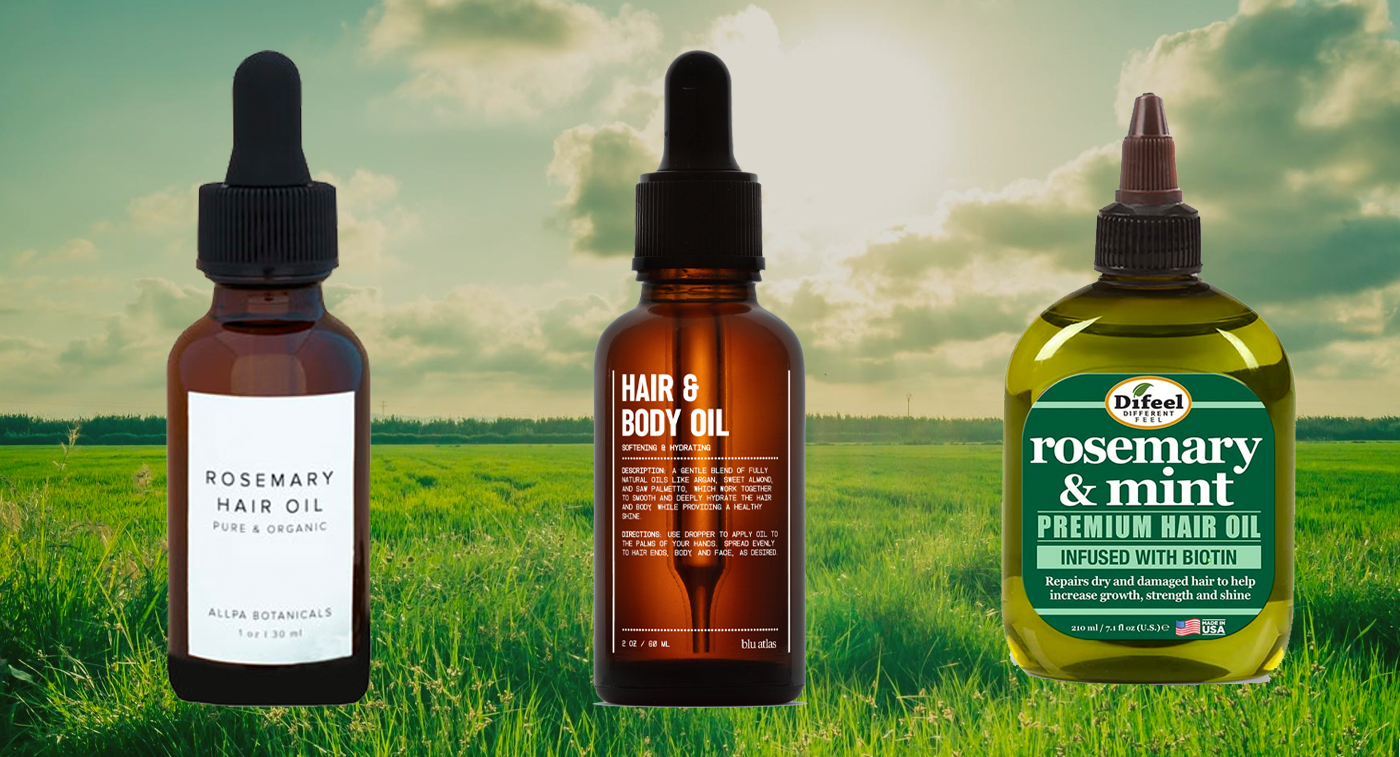
Whether your hair is straight, wavy, or naturally curly, rosemary tea helps enhance your natural texture to help your hair look its best. For those who want to treat their scalp and wash it out a few hours later, choose the oil route. A person should speak with a healthcare professional before using rosemary oil, especially if they are nursing, have skin sensitivities, or have a skin condition. Some research shows that rosemary oil may help with certain types of hair loss.
Briogeo Scalp Revival Rosemary Pre-Wash Scalp and Hair Oil
According to Dr. Garlapati, rosemary oil may help with hair growth through a few different processes, like blocking the effects of DHT and creating a healthier scalp environment for hair growth. Ahead, dermatologists and hair stylists explain the benefits of rosemary oil for hair, how to use it, potential side effects, and more. And if you don't feel like using a bottle of essential oil from your local health food store, you can pick up one of these hair products that contain rosemary oil too. If you're new to using hair oils, rosemary oil is a pretty good place to start.
What Studies Say
Keep in mind, though, that essential oils, even when mixed with a carrier oil, can be potentially irritating, so you might want to take it slowly at first (like two to three times a week). Plus, if you’re acne-prone or have an oily scalp, you’ll probably prefer to stick to once every couple of days to avoid potentially clogging your hair follicles, as well as having to wash your hair too frequently. Rosemary oil, rosemary essential oil, and/or rosemary extract is potentially good for hair growth, depending on who you ask and how seriously you take its limited evidence. One 2013 study conducted on mice showed that rosemary leaf extract was effective in helping to promote re-growth in hormone-related hair loss (often referred to as male-pattern or female-pattern baldness). Rosemary essential oil has been used to promote hair growth, and research shows that it may be as effective as some commercial hair growth products.
What to consider when buying rosemary oil for hair growth
Their antioxidant properties may help neutralise free radicals, which can inhibit hair growth and lead to premature ageing. By blocking the dihydrotestosterone (DHT), these serums may prevent hair thinning. Rosemary serums are loaded with essential nutrients that can help nourish the hair follicles and strengthen the hair shaft, reducing breakage and split ends.


Much of the credit goes to carnosic acid, a phenolic chemical compound in the plant. Rosemary oil floats on top of water, creating puddles of pure undiluted essential oil. If you then pour this undiluted oil onto your scalp, it can cause injury or serious skin irritation.
Rosemary Water Recipe
Reviewers Are Obsessed With This $10 Product For Thinning Hair - HuffPost
Reviewers Are Obsessed With This $10 Product For Thinning Hair.
Posted: Tue, 30 Jan 2024 08:00:00 GMT [source]
According to Martin, a good rosemary oil formula will have rosemary (botanical name RosmarinusOfficinalis leaf oil) high up on the list–the lower down it is on the list indicates a loweramount of the ingredient inside. As an oil, it also inherently provides a bit of moisture and shine, which can help prevent breakage, adds Sabrina Rowe Holdsworth, celebrity hairstylist and founder of NTRL by Sabs. Rosemary oil can also cause allergic or irritant contact dermatitis, so be on the lookout if you’re noticing anything out of the ordinary going on with your scalp or hair. If you're expecting to wake up the morning after using this oil with noticeable length or fullness, you're bound to be disappointed. "Keep in mind that hair changes in general are slow, and it will take a minimum of three to six months before seeing any noticeable results,” Dr. Penzi adds. Carnosic acid carries anti-inflammatory and antioxidant properties that can help rejuvenate damaged nerves and tissue in your body.
However, you will want to do a patch test (applying it to a small area to observe for a reaction) before applying it more generally to the skin. Not much is known about rosemary oil's safety in pregnant and breastfeeding people. Even though rosemary oil is used topically, confirming risks and side effects with your healthcare provider is a good idea. If you struggle with dandruff or other scalp issues, using rosemary water can help keep yeast and bacteria in check.
Does castor oil for hair growth really work? We asked dermatologists to find out - CNN Underscored
Does castor oil for hair growth really work? We asked dermatologists to find out.
Posted: Thu, 25 Jan 2024 08:00:00 GMT [source]
When purchasing rosemary essential oil drops, choose 100% pure and undiluted products that do not contain fragrances and additives. Always follow the product's labeling information for dosage and dilution of the rosemary essential oil. Dilute the essential oil with a carrier oil when using it on the hair and scalp. You can apply rosemary essential oil directly to the scalp, but you must dilute it using a carrier oil first. Carrier oils, like argan oil, coconut oil, or sunflower oil, can help you use the essential oil safely.
What makes rosemary water different from rosemary oil?
It helps to take pictures each week to monitor your progress and encourage you to keep going. Rosemary oil is an essential oil extracted from the flowers and leaves of the rosemary plant (a.k.a Rosmarinus officinalis), explains chemist and licensed cosmetologist Kiara Brumfield. Rosemary water, a social media trend of steeping rosemary leaves in water, has an anecdotal narrative of boosting hair and scalp health. But this mixture may have some connection to scientific research behind the rosemary plant, which suggests that its anti-inflammatory, antimicrobial, and antioxidant properties might help boost scalp circulation and hair growth. If you’re really looking to promote hair growth and get the luscious hair of your dreams, you can pump up the effects of rosemary oil with some scalp-benefiting products. Try Philip Kingsley’s Density Preserving Scalp Drops, which are clinically proven to help slow hair loss and reduce hair shedding, and René Furterer Forticea Energizing Shampoo, which promotes microcirculation.
The rosemary oil oleogel was found to have similar effects as minoxidil. Coarse hair may be better able to handle an application of rosemary oil. But people with finer hair might find that using the product makes their locks look greasy or weighed down. It’s important to note that when used in excess, rosemary water can damage your hair by causing dry, brittle strands that are more prone to breakage.
If your hair feels dry or “rough” immediately after rinsing with rosemary water, that’s the astringent tannins at work. This feeling should subside by the time your hair dries, leaving it smooth and silky.However, if your hair feels like straw even after drying, your tea was likely too strong for your hair type. In the meantime, you can dilute your rosemary water with more distilled water.For best results, don’t use a rosemary hair rinse at the same time as protein treatments, as protein is already inherently drying.
Studies about rosemary oil for hair growth are limited at this time, and many of the existing studies have been on animals, not humans. For example, one study found that topical application of rosemary oil improved hair growth in mice who were experiencing hair growth issues as a result of testosterone treatment. While essential oils, like rosemary oil, are natural products, they may not be safe for everyone to use. To make a rosemary oil solution, people can try diluting a few drops of rosemary oil in a carrier oil, such as coconut oil. However, if an individual does choose to rinse it out, they should allow it to set into the scalp for a few minutes before doing so. It is possible that rosemary oil might enhance the effectiveness of conventional treatments.
It might also help prevent hair loss, dandruff, and premature graying. An old study from 1989 found that a combination of essential oils (rosemary, thyme, lavender, and cedarwood oil) induced significant hair growth when applied to the scalp on a daily basis. However, this study is old and didn’t isolate rosemary oil specifically as a hair loss treatment. Rosemary oil is typically available in essential oil form, which are highly concentrated natural extracts taken from the leaves, flowers and the stems of the rosemary plant. In this concentrated form, rosemary oil is said to have anti-inflammatory, circulation-improving, and hormone-balancing properties—all of which can contribute to hair growth. Dr. Zayn Majeed, hair surgeon at Harley Street Hair Clinic, tells us that massage application also enhances the absorption of rosemary’s active ingredients into the skin and hair follicles.
In order to make the search a little easier, we checked in with doctors, board-certified dermatologists and other hair experts for four hair and scalp oil type recommendations for thicker, fuller and healthier tresses. “if you're interested in trying oils for hair growth, i encourage you to do so — but remember to use it in moderation and conjunction with other healthy hair practices,” he concludes. "i suggest using it once a day nightly for areas of thinning in addition to adding it to shampoo and conditioner and using it as often as you wash for your hair type," she continues.


No comments:
Post a Comment